Not much to report today, I woke up late because I stayed up late. Staying up too late happens to me every five days or so. I think I was so revved up by the great evening I had visiting with friends old and new. Shayma called and was running late - I still wanted to see her, so she was coming over around 9:30 pm or so. As I was expecting her, the doorbell rang and it was Karl and Kathy, my Fulbright neighbors upstairs. We started talking about research and I mentioned that my neighbor, Selema Ikram had introduced herself to me as an Egyptologist. Karl asked if she was the Egyptologist at AUC. I wasn't sure so I leapt up and rang her doorbell to see if she could come over for a few minutes to chat. It was a great coincidence. I told Karl that there are no coincidences, just wonderful opportunities that the universe provides. Wow, what great neighbors!
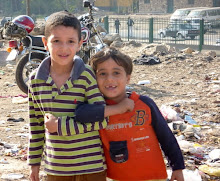
Shayma came over after 15 minutes or so. I introduced her to Kathy, who will be teaching two classes in psychology at Ain Shams University, the same university that Shayma and Mohamed had attended. It was a good connection for Kathy since she is interested in street children. And Shayma is so sweet and giving, she is providing contacts for Kathy from the NGOs that she has worked for in the past. She still does art workshops several times a year, the last one two months ago. After everyone but Shayma left, we talked about collaborating on some art workshops for kids here. My boxes of art supplies may be here next week. I mailed the four boxes in my "diplomatic pouch" allotment the Saturday before I left for Cairo. Half the contents are books for my research, the other half are art supplies like paper, construction paper, pencils, pens, coloring books, and crayons. Shayma and I are on the same wavelength, she is as good for me as I hope for her. I really want her to be successful - she wants to get her MFA in America so when she comes for her exhibition at WCU, we can visit Tyler Art School and some others like the Pennsylvania Academy of Art.
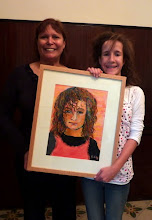
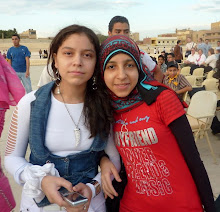
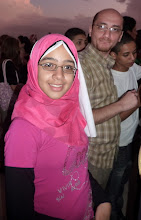
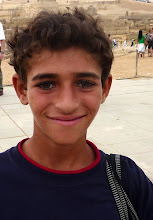
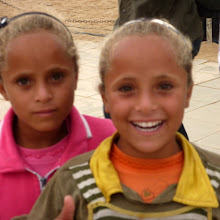
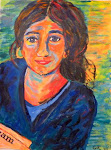
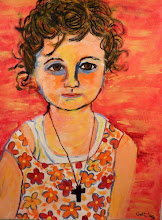
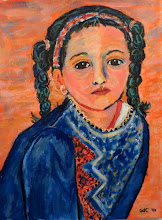
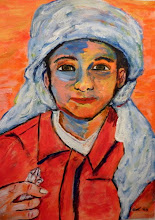
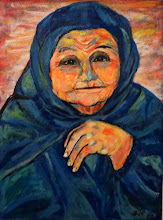
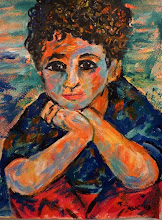
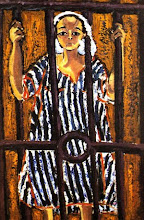
While I'm here, I want to host an exhibition of Shayma's art at my apartment, like our alumnae from WCU who host exhibitions in the apartment that Kim Knorr rents a room in. Isn't it great to get ideas from one place and implement them in another? I will invite the Fulbright scholars and students and neighbors for a little reception for the show. So, I need to design a flyer invitation by September 15 when we have our Fulbright Orientation. If I can get some art done by then, I will have some of my things hanging too. Actually, I need to get two works of art for the November 60th anniversary of the Bi-National Fulbright Commission in Cairo Art Exhibition. I think I will do something along the lines of "Faces in Egypt."
Only made to the corner Beano's, a coffee cafe with Wireless Internet - very nice place. It will be a good spot to do some work when I want to get out of the apartment. I stocked up on water after that, but only got four, the most I could carry. Must buy more tomorrow. Don't want to run out of water. I've been pretty healthy. Boil water for tea and coffee and cooking.
Oh BTW, the duck turned out great. I think that 1.5 hours boiling is too much. Doing it again, I would only take 1 hour for that part and 45 minutes roasting and see how that turns out. For dinner, I had a duck and eggplant sandwich on Egyptian bread (like pita or nan). I like to eat yogurt every day with honey but skipped today. As late as I stayed up, I forgot to do strain it - I prefer it thicker. A better and more productive day tomorrow but I did get some research done along with catching up on a lot of emailing. There's always more to do though.
Monday, September 7, 2009


Sunday, September 6, 2009
Egyptian duck and a bucket of butter
I was inspired last night after thumbing through new cookbook, My grandmother's Egyptian kitchen, to cook a duck from the roast duck recipe or else chicken and rice which required a clay pot. I've cooked duck before but not for a long time so I jotted down the ingredients: duck, salt, pepper, cardomom seeds, mastic seeds, bay leaf and of course, I needed a big pot because my kitchen is only equipped with two saucepans with lids. Great for cooking rice, veggies and boiling water for coffee or tea but not enough to accommodate the 5-6 lb duck I wanted to buy.
I walked, again, to the Alpha Market for the above purchase. Now all this is due to the fact that my friend Shayma is coming over tonight and I thought I would feed her something interesting. It has to be better than the take out bony chicken pieces with rice and not to my liking, chicken liver, surpise topping. Oh yes, and before I go further, this cookbook is awesome. Now I will never ever cook fried testicles or sheep's brain but at least the book has all the egyptian basics and is illustrated in lovely color. So I get to the store, find the meat section which I have only casually walked by before and look at the chickens. I see what appears to be a duck. However, whereas the chickens are in plastic bags with Arabic and English writing identifying them - the alleged duck is not. I go through this silly charade making chicken and duck noises and finally draw a reasonable picture of a duck. Great, it worked, I guess. And yes, it is a duck. I could not find bay leaves but will keep an eye for them. Cardamom features in many recipes involving poultry and other meats. I actually found the mastic but it was labeled gum. I don't know its exact function but I guess to thicken the broth a bit?
The big pot was nearly $30 but so worth it for those big dinners I plan with pasta or whatever. I know have a huge pot of duck broth. I still remember fondly the time I made duck soup. I liked saying it too, reminded me of the Marx brothers. It tasted really good.
The directions for preparing duck are this, rinse well, remove any blood clots and be sure to remove the chick pea shaped gland near the tail. OMG. I had to search for it under the tail area and managed to get it out, because I feared what could occur if I did not. I also removed the tail part, yes, I know, the Pope's nose and the section right above the gland on the surface because, ew, it was the duck anus. The directions did specify that a male duck was to be obtained. Why I don't know but I think that male animals have an anal gland and I do NOT want anything of the sort to be ingested or cooked by me. Again, ew ew ew. You boil the duck for 1.5 hours along with a whole onion. Then you take the duck out of the broth and put it in the oven after bathing it with butter, salt and pepper for 1 hour until the skin browns. Great smells were coming from my kitchen and while my duck didn't look as glorious as the author's duck, still it has some panache to it.
I managed to burn the bottom of my rice but because of the bucket of President's butter in it, it gave it a lovely golden brown crispiness. I can't remember what country but I think I read a book or saw a foreign film about fighting for the crispy bottom of rice. Maybe it's Afghanistan in a Thousand Suns by the author of the Kite Runner. I will correct this later. Now I'm cooking the mixed veggies of cut green beans, cubed carrot, some kind of marrow (not bone, but a kind of squash) in duck broth and my day is done. Just waiting for Shayma. I did eat a wing just to make sure it was OK. I'm not that picky of an eater. The crispy skin is wonderful though.
Will post photos of the duck and stuff. An interesting day! More later.
I walked, again, to the Alpha Market for the above purchase. Now all this is due to the fact that my friend Shayma is coming over tonight and I thought I would feed her something interesting. It has to be better than the take out bony chicken pieces with rice and not to my liking, chicken liver, surpise topping. Oh yes, and before I go further, this cookbook is awesome. Now I will never ever cook fried testicles or sheep's brain but at least the book has all the egyptian basics and is illustrated in lovely color. So I get to the store, find the meat section which I have only casually walked by before and look at the chickens. I see what appears to be a duck. However, whereas the chickens are in plastic bags with Arabic and English writing identifying them - the alleged duck is not. I go through this silly charade making chicken and duck noises and finally draw a reasonable picture of a duck. Great, it worked, I guess. And yes, it is a duck. I could not find bay leaves but will keep an eye for them. Cardamom features in many recipes involving poultry and other meats. I actually found the mastic but it was labeled gum. I don't know its exact function but I guess to thicken the broth a bit?
The big pot was nearly $30 but so worth it for those big dinners I plan with pasta or whatever. I know have a huge pot of duck broth. I still remember fondly the time I made duck soup. I liked saying it too, reminded me of the Marx brothers. It tasted really good.
The directions for preparing duck are this, rinse well, remove any blood clots and be sure to remove the chick pea shaped gland near the tail. OMG. I had to search for it under the tail area and managed to get it out, because I feared what could occur if I did not. I also removed the tail part, yes, I know, the Pope's nose and the section right above the gland on the surface because, ew, it was the duck anus. The directions did specify that a male duck was to be obtained. Why I don't know but I think that male animals have an anal gland and I do NOT want anything of the sort to be ingested or cooked by me. Again, ew ew ew. You boil the duck for 1.5 hours along with a whole onion. Then you take the duck out of the broth and put it in the oven after bathing it with butter, salt and pepper for 1 hour until the skin browns. Great smells were coming from my kitchen and while my duck didn't look as glorious as the author's duck, still it has some panache to it.
I managed to burn the bottom of my rice but because of the bucket of President's butter in it, it gave it a lovely golden brown crispiness. I can't remember what country but I think I read a book or saw a foreign film about fighting for the crispy bottom of rice. Maybe it's Afghanistan in a Thousand Suns by the author of the Kite Runner. I will correct this later. Now I'm cooking the mixed veggies of cut green beans, cubed carrot, some kind of marrow (not bone, but a kind of squash) in duck broth and my day is done. Just waiting for Shayma. I did eat a wing just to make sure it was OK. I'm not that picky of an eater. The crispy skin is wonderful though.
Will post photos of the duck and stuff. An interesting day! More later.
Saturday, September 5, 2009
What Not to Wear - Egypt
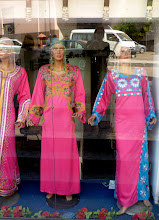
Now here is a title that illustrates my fashion do's and don'ts for Egypt witnessed today at the Egyptian Museum in Cairo. Cairo currently is full of Aussies and Americans with a smattering of Germans, French and of course, Egyptians. All the guidebooks like Lonely Planet, Cairo Guide to Egypt, Fodor's, etc. talk about the big cover up and modesty especially during the month of Ramadan, a period of one month of fasting and other deprivations like no smoking, no sex, etc. And here's the kicker - at the Egyptian Museum, I noted a great number of female tourists wearing sleeveless tanks with low necklines, shorts, tight shirts so lots of bare skin not to mention the bending over to see the mummies more closely as the guards got to see cleavage front and side and well outlined buttocks not to mention camel toe though I didn't actually see the latter. My best shot was of an Aussie girl (but she was probably German) who handed me her camera without conversation so I could take her picture outside. I've posted her photo that I had quickly snapped prior to this - I like to take photos of tourists taking pictures of monuments or other scenes. I thought she was the quintessential "what not to wear" model for Ramadan disrespect. No underwear, maybe a thong beneath the shortest shorts I have seen in a while. Oh yeah, and an all over tan from what I could see.
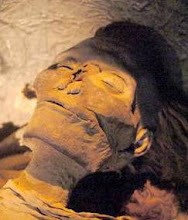
But mainly, I was enjoying the mummies wrapped in a variety of things upstairs in the mummy room which I paid the student price. Now this is in addition to the cost of entering the museum which currently is 100 EGP for adults ande 60 EGP for students with an International Student Identity Card - Ok so I have an International Teacher Card but it looks the same and besides most guards can't read English - sweet! It is estimated that it will cost 500 million USD to build the new Egyptian Museum which may not happen in my lifetime. I so enjoyed seeing Hatshepsut's mummy - It is thought that she died between the ages of 45 to 60 - she was obese, probably diabetic, with bad teeth. Her mummy, along with that of her wet nurse, was discovered in KV50 - her original tomb was KV20. And with the discovery of the late 19th century mummy cache which was the work of 21st dynasty priests who moved many of the royal mummies so that they would escape the fate of others before them whose tombs and mummies had been desecrated and destroyed, a boxs containing some items marked with her cartouche was found to contain part of a tooth. When the mummy was research by Zahi Hawass he matched the broken tooth with what was remaining in her mouth and voila! the identification was a done deal.
What I didn't know was that her husband, Thuthmosis II was her half brother He in turn, fathered a son by a minor queen, Isis and this son was Thuthmosis III. So when Thuthmosis II died, Hatshepsut ruled as pharaoh for nearly 22 years (21 years, 9 months) while Thuthmosis III was at first, too young to rule by himself. Tut was ruling ostensibly by himself from the age of 9 but of course he had help from the priests of Amun Ra recently restored to power. He of course, comes after Hatshepsut. To gaze upon the faces of Egyptian royalty is always a treat for me. In the mummy room are Seti I (father of Rameses the Great), Rameses II, Mereneptah, his son who ruled after his father died, Thuthmosis I (Hatshepsut's father), Thuthmosis II, III and IV, Ahmose father of Amenhotep II and a few Egyptian women. The most shocking one is Seqenenre II who must have died horribly in battle - he has big head wounds and his eternal grimace can be seen eternally - pharaohs went into battle with their troops unlike our presidents, who though they are chiefs of staff, don't go on the frontline like the Egyptians did. Unfortunately, all visitors have to check their cameras before entering the museum, no exceptions, darn. I would have loved to have taken my own photos of the great mummies. I bought some second rate B&W photo postcards of a few of them just to give an idea. Maybe I'll take my photos of the photos to add to this entry.
I had such a wonderful cab driver today - I asked him for his number so I can call him when I need a ride. This was my first metered taxi - when I saw the fare, I couldn't believe it - less than 6 EGP from Zamalek to Downtown to the Egyptian Museum. Yesterday, I had the unmetered black and white cabs and gave 20 EGP for a similar distance. Well, I was still jet lagged and hungry and tired but now I know. Go for the solid white metered taxis. Plus the taxi I took today was new, didn't smell like cigarette smoke (can't smoke during Ramadan) and had fabulous air conditioning. Life is good today.
Shayma just called me - she was at an Iftar with some friends and family. I had sent her an email this morning since I was feeling better than I have since I arrived. And Carol, if you are reading this, the walking definitely helps. I managed with the help of my small compass to walk back from the Egyptian Museum to my place. Pretty easy, follow Corniche el Nil to the 26 July bridge, cross the Nile and veer left to Marsafy Street. I still get just slightly lost for the last bit but found it just fine. There is a sign for the All Saints Cathedral just up the street that I use as my signpost.
Before coming home, I stopped at the No Big Deal Cafe for an early dinner, chicken kebab with rice and yogurt for around $8. High cost by Egyptian standards but the menu is in English. This is the cafe where I had such good breakfasts at last year and now they have some new art. Looking foward to tomorrow.
But mainly, I was enjoying the mummies wrapped in a variety of things upstairs in the mummy room which I paid the student price. Now this is in addition to the cost of entering the museum which currently is 100 EGP for adults ande 60 EGP for students with an International Student Identity Card - Ok so I have an International Teacher Card but it looks the same and besides most guards can't read English - sweet! It is estimated that it will cost 500 million USD to build the new Egyptian Museum which may not happen in my lifetime. I so enjoyed seeing Hatshepsut's mummy - It is thought that she died between the ages of 45 to 60 - she was obese, probably diabetic, with bad teeth. Her mummy, along with that of her wet nurse, was discovered in KV50 - her original tomb was KV20. And with the discovery of the late 19th century mummy cache which was the work of 21st dynasty priests who moved many of the royal mummies so that they would escape the fate of others before them whose tombs and mummies had been desecrated and destroyed, a boxs containing some items marked with her cartouche was found to contain part of a tooth. When the mummy was research by Zahi Hawass he matched the broken tooth with what was remaining in her mouth and voila! the identification was a done deal.
What I didn't know was that her husband, Thuthmosis II was her half brother He in turn, fathered a son by a minor queen, Isis and this son was Thuthmosis III. So when Thuthmosis II died, Hatshepsut ruled as pharaoh for nearly 22 years (21 years, 9 months) while Thuthmosis III was at first, too young to rule by himself. Tut was ruling ostensibly by himself from the age of 9 but of course he had help from the priests of Amun Ra recently restored to power. He of course, comes after Hatshepsut. To gaze upon the faces of Egyptian royalty is always a treat for me. In the mummy room are Seti I (father of Rameses the Great), Rameses II, Mereneptah, his son who ruled after his father died, Thuthmosis I (Hatshepsut's father), Thuthmosis II, III and IV, Ahmose father of Amenhotep II and a few Egyptian women. The most shocking one is Seqenenre II who must have died horribly in battle - he has big head wounds and his eternal grimace can be seen eternally - pharaohs went into battle with their troops unlike our presidents, who though they are chiefs of staff, don't go on the frontline like the Egyptians did. Unfortunately, all visitors have to check their cameras before entering the museum, no exceptions, darn. I would have loved to have taken my own photos of the great mummies. I bought some second rate B&W photo postcards of a few of them just to give an idea. Maybe I'll take my photos of the photos to add to this entry.
I had such a wonderful cab driver today - I asked him for his number so I can call him when I need a ride. This was my first metered taxi - when I saw the fare, I couldn't believe it - less than 6 EGP from Zamalek to Downtown to the Egyptian Museum. Yesterday, I had the unmetered black and white cabs and gave 20 EGP for a similar distance. Well, I was still jet lagged and hungry and tired but now I know. Go for the solid white metered taxis. Plus the taxi I took today was new, didn't smell like cigarette smoke (can't smoke during Ramadan) and had fabulous air conditioning. Life is good today.
Shayma just called me - she was at an Iftar with some friends and family. I had sent her an email this morning since I was feeling better than I have since I arrived. And Carol, if you are reading this, the walking definitely helps. I managed with the help of my small compass to walk back from the Egyptian Museum to my place. Pretty easy, follow Corniche el Nil to the 26 July bridge, cross the Nile and veer left to Marsafy Street. I still get just slightly lost for the last bit but found it just fine. There is a sign for the All Saints Cathedral just up the street that I use as my signpost.
Before coming home, I stopped at the No Big Deal Cafe for an early dinner, chicken kebab with rice and yogurt for around $8. High cost by Egyptian standards but the menu is in English. This is the cafe where I had such good breakfasts at last year and now they have some new art. Looking foward to tomorrow.
Friday, September 4, 2009
Female Pharaoh Hatshepsut
Queen Hatshepsut
Hatshepsut's name means Foremost of Noble Ladies. She was the fifth pharaoh of Dynasty 18 of Ancient Egypt. Most Egyptologists regard her as one of the most successful female pharaohs, reigning longer than any other woman of an indigenous Egyptian dynasty.
Records of her reign are documented in diverse ancient sourcesIt is known that Hatshepsut assumed the position of pharaoh, and her reign as king is usually given as twenty-two years since Manetho assigns her a reign of 21 years and 9 months. The date of her death occurred in 1458, which implies she became pharaoh circa 1479 BC.
It was uncommon for Egypt to be ruled by a woman, but it was not unprecedented. Hatshepsut was the second women to have formally assumed power as "King of Upper and Lower Egypt" after Queen Sobekneferu of the Twelfth Dynasty. As a queen regnant she is preceded by Merneith of the First Dynasty; and Nimaethap of the Third Dynasty, who may have been the dowager of Khasekhemwy, but who acted as regent for her son, Djoser, during the Third Dynasty, and—she may have reigned as pharaoh in her own right.
Other women whose possible reigns as pharaohs include Nefertiti, Meritaten, Neferneferuaten, and Twosret. Another pharaoh, Smenkhkare is believed to have been male, but there is some evidence that he was actually a she.
Among the foreign rulers of the later Egyptian dynasties, the most notable example of a woman who became pharaoh was Cleopatra VII, the last to rule Ancient Egypt.
Identification of Hatshepsut's mummy
Hatshepsut's remains were long considered lost, but in June 2007 a mummy from Tomb KV60, known as the "Strong One" was publicly identified as her remains by Zahi Hawass, the chief of Egypt's Supreme Council of Antiquities. Evidence supporting this identification includes the results of a DNA comparison with the mummy of Ahmose Nefertari, Hatshepsut's grandmother. Further conclusive evidence includes the possession of a broken tooth previously found inside a small wooden box inscribed with Hatshepsut's name and cartouche: Zahi Hawass's team's CAT scan revealed that this tooth exactly matches this mummy's jaw. Modern CT scans of the mummy believed to be Hatshepsut suggest she was between 45-60 years old when she died from a ruptured abcess after removal of a tooth. There are signs in her mummy of metastatic bone cancer, as well as possible liver cancer and diabetes.
Family and early life
Hatshepsut was the elder daughter of Thutmose I and Queen Ahmose of Dynasty 18. They are known to have had only one other child, a daughter, Akhbetneferu (Neferubity), who died in infancy. Thutmose I also married Mutnofret, possibly a daughter of Ahmose I, and produced several half-brothers to Hatshepsut: Wadjmose, Amenose, Thutmose II, and possibly Ramose, through that secondary union. Wadjmose and Amenose were prepared to succeed their father, but neither lived beyond adolescence.
In her childhood, Hatshepsut is believed to have been favored by the Temple of Karnak over her two half-brothers by her father. Among the official records of her reign are assertions that her father, Thutmose I, named her as his direct heir and later, official depictions of Hatshepsut show her dressed in the full regalia of a pharaoh, including the traditional false beard to indicate that she ruled Egypt in her own right.
Upon the death of her father in 1493 BC, Hatshepsut married her half-brother, Thutmose II, commonly believed that Queen Hatshepsut exerted a strong influence over her husband.
Hatshepsut had one daughter with Thutmose II: Neferure. Hatshepsut may have groomed Neferure as the heir apparent, commissioning official portraits of her daughter wearing the false beard of royalty and the sidelock of youth.
When Thutmose II died, he left behind only one son, young Thutmose III. He was born as the son of a lesser wife of Thutmose II rather than of the Great Royal Wife, Hatshepsut, as Neferure was. Due to the relative youth of Thutmose III, he was not eligible to assume the expected tasks of a pharaoh. Instead, Hatshepsut became the regent of Egypt at this time, assumed the responsibilities of state, and was recognized by the priests of the temple. daughter, Neferure took over the roles Hatshepsut had played as queen in official and religious ceremonies.
While Thutmose III was designated as a co-regent of Egypt, the royal court recognized Hatshepsut as the pharaoh on the throne until she died. It is believed that Neferure was the royal wife of Thutmose III and mother of his eldest son, Amenemhat, who did not survive.
Thutmose III ruled for more than thirty years after the death of Hatshepsut though the official rule is said to be 55 years.
Rule -- Dates and length of reign
Hatshepsut reigned as pharaoh for twenty-two years according to ancient authors. Dating the beginning of her reign is more difficult. Her father's reign began in either 1506 or 1526 BC. The reigns of Thutmose I and Thutmose II cannot be determined with absolute certainty. Modern chronologists tend to agree that Hatshepsut reigned as pharaoh from 1479 to 1458 BC, but there is no definitive proof.
Policies
Upon the death of Thutmose II, the throne passed to Thutmose III, and Hatshepsut—as the child's royal aunt and stepmother—was selected to be interregnum regent until he came of age. Although ancient histories mark her reign from the death of her father, some scholars argue that initially, it appears that Hatshepsut was patterning herself after the powerful women who were regents during Egypt's then-recent history, but as Thutmose III approached maturity, if that was so, she could have had only one model in mind: Sobekneferu, the last monarch of the Twelfth Dynasty, who ruled in her own right. Hatshepsut took one step further than Sobekneferu, however, by being crowned pharaoh around 1473 BC, taking the throne name Maatkare, meaning "Truth in the soul of the sun god Re."
The date of her formal assumption as king is not known but this event must have occurred by her Seventh Year due to the discovery of the intact tomb of Senenmut's parents—Ramose and Hatnofer—which contained various grave goods including several pottery jars, one of which was dated to 'Year Seven' and bore the seal the 'God's Wife Hatchepsut' and two of which were stamped with the royal seal of 'The Good Goddess Maatkare', the name she took as pharaoh.
Hatshepsut surrounded herself with strong and loyal advisors, many of whom are still known today: the Vizier Hapuseneb, the second prophet of Amun Puyemre and her closest advisor, the royal steward, tutor and "overseer of all Royal Works" (or architect) Senenmut. Senenmut had two tombs constructed near Hatshepsut's tomb. This was a standard privilege for close advisors. Some Egyptologists theorize that the two were lovers. Other evidence offered is a graffito from an unfinished Deir el-Bahri tomb used as a rest house by the workers of her mortuary temple: it depicts a male and a second person of ambiguous gender with pharaonic regalia engaging in an explicit sexual act from behind. The latter person in the graffito "is wearing what has been identified as a royal headdress. Other scholars argue that the drawing has been misinterpreted "as a contemporary political parody to highlight one way in which Hatchepsut could never be a true king--she could never dominate a man in the way that she is now being dominated."
Senenmut's rapid rise in fortune at court and privileges extended to him included the placing of his non-royal tomb within the confines of Hatshepsut's temple at Deir el-Bahri. Senenmut served her father and husband also, and it may simply be that she was rewarding her servant for his great loyalty to her and his obvious skills.
Major accomplishments
Hatshepsut reestablished trade networks disrupted during the Hyksos occupation of Egypt in the Second Intermediate Period. The wealth of Dynasty 18 was unprecedented with evidence from the discovery of the burial of one of her descendants, Tutankhamun.
She oversaw preparations and funding for a mission to the Land of Punt. The expedition set out in her name with five ships, each measuring 70 feet long with several sails and accommodating 210. Many trade goods were bought in Punt, notably myrrh, said to have been Hatshepsut's favorite fragrance. The Egyptians returned from the voyage bearing 31 live frankincense trees. This was the first recorded attempt to transplant foreign trees. Hatshepsut had these trees planted in the courts of her mortuary temple complex. She had the expedition commemorated in relief at Deir el-Bahri, also famous for its depiction of the Queen of the Land of Punt, who is depicted as quite obese with rolls of fat and steatopygia.
Although many Egyptologists claimed that her foreign policy was peaceful, there is evidence that Hatshepsut led successful military campaigns in Nubia, the Levant, and Syria early in her career.
Building projects
Djeser-Djeseru is the main building of Hatshepsut's mortuary temple complex at Deir el-Bahri. Designed by Senemut, the building is an example of perfect symmetry. Hatshepsut was one of the most prolific builder pharaohs of ancient Egypt, commissioning hundreds of construction projects throughout both Upper and Lower Egypt, that were grander and more numerous than those of any of her Middle Kingdom predecessors.
She employed two great architects: Ineni, who also had worked for her husband and father and the royal steward, Senemut. Following the tradition of most pharaohs, Hatshepsut had monuments constructed at the Temple of Karnak. She had twin obelisks, at the time the tallest in the world, erected at the entrance to the temple. One still stands, as the tallest surviving ancient obelisk on Earth; the other has since broken in two and toppled. Karnak's Red Chapel was intended as a barque shrine between her two obelisks. She later ordered the construction of two more obelisks to celebrate her sixteenth year as pharaoh; one of the obelisks broke during construction, and a third was constructed to replace it. The broken obelisk was left at its quarrying site in Aswan, where it remains, known as The Unfinished Obelisk.
The masterpiece of Hatshepsut's building projects was her mortuary temple complex at Deir el-Bahri. It was designed and implemented by Senemut on a site on the West Bank of the Nile River near the entrance to what is now called the Valley of the Kings. The focal point was the Djeser-Djeseru or "the Sublime of Sublimes,", a colonnaded structure of perfect harmony. Djeser-Djeseru sits atop a series of terraces that were once graced with lush gardens and is built into a cliff face that rises sharply above it.
Official propaganda
Hatshepsut has been called the most accomplished pharaoh at promoting her accomplishments. Besides her great building prograns it reflects the wealth that her policies and administration brought to Egypt, enabling her to finance such projects. Much of her decorative reliefs had religious overtones and was supported fully by the priests at Karnak. Since the passage of leadership was determined in advance by these same religious leaders, and enacted at the moment of the death of a pharaoh, the transition to the next occurred without question. A large granite sphinx bearing the likeness of Hatshepsut, with the traditional false beard, a symbol of pharaonic power, resides in the Metropolitan Museum of Art.
Lineage was traced through maternal relationships. A woman becoming pharaoh was rare, however; only Khentkaues, Sobeknefru, Twosret, and possibly Nitocris preceded her in known records as ruling solely in their own name. There is no indication of challenges to her leadership and until her death, her co-regent remained in a secondary role, heading her powerful army.
Hatshepsut assumed all of the regalia and symbols of Pharaonic office in official representations: the Khat head cloth, topped with an uraeus, the traditional false beard, and shendyt kilt. Many existing statues alternatively show her in typically feminine attire as well as those that depict her in royal ceremonial attire. Statues portraying Sobekneferu also combine elements of traditional male and female iconography and may have served as inspiration for the works commissioned by Hatshepsut. All formal depictions of Hatshepsut as pharaoh showed her in royal attire, with all of the pharaonic regalia, and with her breasts obscured behind her crossed arms holding the regal staffs of the two kingdoms she ruled. By assuming the typical symbols of pharaonic power, Hatshepsut was asserting her claim to be the sovereign and not a "King's Great Wife" or Queen consort. The gender of pharaohs was never stressed in official depictions.
Even after assuming the formal regalia, Hatshepsut still described herself as a beautiful woman, often as the most beautiful of women, and although she assumed almost all of her father's titles, she declined to take the title "The Strong Bull" which tied the pharaoh to the goddesses Isis, the throne, and Hathor by being her son sitting on her throne -- since Hatshepsut became allied with the goddesses herself. Statues such as those at the Metropolitan Museum of Art, depicting her seated wearing a tight-fitting dress and the nemes crown, are thought to be a more accurate representation of how she would have presented herself at court.
As a notable exception, only one male pharaoh abandoned the rigid symbolic depiction that had become the style of the most official artwork representing the ruler, Pharaoh Amenhotep IV (later Akhenaten) of the same Eighteenth Dynasty, whose wife, Nefertiti, also may have ruled in her own right following the death of her husband. Nefertiti is thought to have been a woman from the same lineage as Hatshepsut.
The Oracle of Amun proclaimed that it was the will of Amun that Hatshepsut be Pharaoh, further strengthening her position. She publicized Amun's support by having endorsements by the god Amun carved on her monuments: “Welcome my sweet daughter, my favorite, the King of Upper and Lower Egypt, Maatkare, Hatshepsut. Thou art the Pharaoh, taking possession of the Two Lands.”
Once she became pharaoh herself, Hatshepsut supported her assertion that she was her father's designated successor with inscriptions on the walls of her mortuary temple: "Then his majesty said to them: "This daughter of mine, Khnumetamun Hatshepsut—may she live!—I have appointed as my successor upon my throne... she shall direct the people in every sphere of the palace; it is she indeed who shall lead you. Obey her words, unite yourselves at her command." The royal nobles, the dignitaries, and the leaders of the people heard this proclamation of the promotion of his daughter, the King of Upper and Lower Egypt, Maatkare—may she live eternally.”
Death and mummification
Hatshepsut died as she was approaching middle age given typical contemporary lifespans. The precise date of Hatshepsut's death--and the time when Thutmose III became sole ruler of Egypt--is considered to be Year 22, II Peret day 10 of their joint rule as recorded on a single stela erected at Armant[34] or January 16, 1458 BC. This information validates the basic reliability of Manetho's kinglist records since Thutmose III and Hatshepsut's known accession date was I Shemu day 4. (ie: Hatshepsut died 9 months into her 22nd year as Manetho writes in his Epitome for a reign of 21 years and 9 months) CT scans ofthe mummy identified as Hatshepsut reveal that she died of blood infection while she was in her 50s.; it also would suggest that she had arthritis, bad teeth, and probably had diabetes.
For a long time, her mummy was believed to be missing from the Deir el-Bahri Cache. An unidentified female mummy one of whose arms was posed in the traditional burial style of pharaohs was found with Hatshepsut's wet nurse, In-Sitre. Zahi Hawass claimed to have located the mummy of Hatshepsut, mislaid on the third floor of the Cairo Museum. In June 2007, it was announced that they had identified Hatshepsut's mummy in the Valley of the Kings; this discovery is considered to be the "most important find in the Valley of the Kings since the discovery of King Tutankhamun." Decisive evidence was a molar found in a wooden box
inscribed with Hatshepsut's name, found in 1881 among a cache of royal mummies hidden away for safekeeping in a near-by temple. The tooth has been conclusively proven to have been removed from the mummy's mouth, fitting exactly an empty socket in the mummy's jawbone.
Burial Complex -- Hatshepsut's Temple
Hatshepsut had begun construction of a tomb when she was the Great Royal Wife of Thutmose II, but the scale of this was not suitable when she became pharaoh, so a second tomb was built. This was KV20, which was possibly the first tomb to be constructed in the Valley of the Kings. The original intention was to hew a long tunnel that would lead underneath her mortuary temple, but the quality of the limestone bedrock was poor and her architect must have realized that this goal would not be possible. As a result, a large burial chamber was created instead. At some point, it was decided to dis-inter her father, Thutmose I, from his original tomb in KV38 and place his mummy in a new chamber below hers. Her original red-quartzite sarcophagus was altered to accommodate her father instead, and a new one was made for her. It is likely that when she died (no later than the twenty-second year of her reign), she was interred in this tomb along with her father.
The tomb was opened in antiquity, the first time during the reign of Hatshepsut's successor, Thutmose III, who re-interred his grandfather, Thutmose I, in his original tomb, and may have moved Hatshepsut's mummy into the tomb of her wet nurse, In-Sitre, in KV60. Although her tomb had been largely cleared (save for both sarcophagi still present when the tomb was fully cleared by Howard Carter in 1903) some grave furnishings have been identified as belonging to Hatshepsut, including a "throne," a senet game board with red-jasper game pieces bearing her pharaonic title, a signet ring, and a partial ushabti figurine bearing her name.
Changing recognition
Toward the end of the reign of Thutmose III, an attempt was made to remove Hatshepsut from certain historical and pharaonic records. Her cartouches and images were chiselled off the stone walls—leaving very obvious gaps in the artwork—and she was excluded from the official history that was rewritten without acknowledgment of co-regency during the period between Thutmose II to Thutmose III. At the Deir el-Bahri temple, Hatshepsut's numerous statues were torn down and in many cases, smashed or disfigured before being buried in a pit. At Karnak there was an attempt to wall up her obelisks. Much of the rewriting of Hatshepsut's history occurred only during the close of Thutmose III's reign, it is not clear why it happened, other than typical self-promotion among the pharaohs and their administrators, or perhaps to save money by recycling the grand structures built by Hatshepsut for Thuthmosis III.
Egyptologists assumed that the deliberate erasure of a person's name, image, and memory, would cause them to die a second, terrible and permanent death in the afterlife. It is unlikely that the determined and focused Thutmose—not only Egypt's most successful general, but an acclaimed athlete, author, historian, botanist, and architect—would have brooded for two decades before attempting to avenge himself on his stepmother.
Erasures were haphazard, with only the more visible and accessible images of Hatshepsut being removed; had it been more complete, we would not now have so many images of Hatshepsut. Thutmose III may have died before his changes were finished, or it may be that he never intended a total obliteration of her memory. There is no evidence to support the assumption that Thutmose resented Hatshepsut during her lifetime. As head of the army, he could have led a successful coup, but made no attempt to challenge her authority during her reign.
It is possible that Thutmose III, toward the end of his life, decided to relegate Hatshepsut to her expected place as queen regent rather than king. By eliminating the more obvious traces of Hatshepsut's monuments as pharaoh and reducing her status to that of his co-regent, Thutmose III could claim that the royal succession ran directly from Thutmose I to Thutmose III.
The deliberate erasures or mutilations of the numerous public celebrations of her accomplishments, but not the rarely seen ones, would be all that was necessary to obscure Hatshepsut's accomplishments. By the latter half of Thutmose III's reign, the more prominent high officials who served Hatshepsut would have died thereby eliminating the powerful bureaucratic resistance to a change in direction in a highly stratified culture. Hatshepsut's highest official and closest supporter, Senenmut himself seems to have either retired abruptly or died around Years 16 and 20 of Hatshepsut's reign and was never interred in either of his carefully prepared tombs. Newer court officials, appointed by Thutmose III, would have had an interest in promoting the many achievements of their master in order to assure the continued success of their own families.
Thutmose III may have considered the possibility that a successful female king in Egyptian history could set a dangerous precedent since it demonstrated that a woman was as capable at governing Egypt as a traditional male king. This event could, theoretically, persuade "future generations of potentially strong female kings" to not "remain content with their traditional lot as wife, sister and eventual mother of a king" instead and assume the crown. Hatshepsut's glorious reign demonstrated that women were as equally capable as men in ruling the two lands since she successfully presided over a prosperous Egypt for more than two decades.
The 2006 discovery of a foundation deposit including nine golden cartouches bearing the names of both Hatshepsut and Thutmose III in Karnak may shed additional light on the eventual attempt by Thutmose III to erase Hatshepsut from the historical record and the correct nature of their relationship and her role as pharaoh.
Popular and fictional attention
Biographies such as Hatshepsut by Evelyn Wells romanticized her as a beautiful and pacifistic woman. This contrasted with nineteenth-century interpretations of Hatshepsut as a wicked stepmother usurping the throne from Thutmose III. The novel Mara, Daughter of the Nile by Eloise Jarvis McGraw, maintains the wicked stepmother view by casting Hatshepsut as the story's villainess. At least four authors have written fictional novels featuring Hatshepsut as the historical heroine: Hatshepsut: Daughter of Amun by Moyra Caldecott, King and Goddess, by Judith Tarr, Child of the Morning by Pauline Gedge, and Pharaoh by Eloise Jarvis McGraw, as well as the Lieutenant Bak series of mystery novels which is set during her reign.
From Wikipedia, the free encyclopedia
Hatshepsut's name means Foremost of Noble Ladies. She was the fifth pharaoh of Dynasty 18 of Ancient Egypt. Most Egyptologists regard her as one of the most successful female pharaohs, reigning longer than any other woman of an indigenous Egyptian dynasty.
Records of her reign are documented in diverse ancient sourcesIt is known that Hatshepsut assumed the position of pharaoh, and her reign as king is usually given as twenty-two years since Manetho assigns her a reign of 21 years and 9 months. The date of her death occurred in 1458, which implies she became pharaoh circa 1479 BC.
It was uncommon for Egypt to be ruled by a woman, but it was not unprecedented. Hatshepsut was the second women to have formally assumed power as "King of Upper and Lower Egypt" after Queen Sobekneferu of the Twelfth Dynasty. As a queen regnant she is preceded by Merneith of the First Dynasty; and Nimaethap of the Third Dynasty, who may have been the dowager of Khasekhemwy, but who acted as regent for her son, Djoser, during the Third Dynasty, and—she may have reigned as pharaoh in her own right.
Other women whose possible reigns as pharaohs include Nefertiti, Meritaten, Neferneferuaten, and Twosret. Another pharaoh, Smenkhkare is believed to have been male, but there is some evidence that he was actually a she.
Among the foreign rulers of the later Egyptian dynasties, the most notable example of a woman who became pharaoh was Cleopatra VII, the last to rule Ancient Egypt.
Identification of Hatshepsut's mummy
Hatshepsut's remains were long considered lost, but in June 2007 a mummy from Tomb KV60, known as the "Strong One" was publicly identified as her remains by Zahi Hawass, the chief of Egypt's Supreme Council of Antiquities. Evidence supporting this identification includes the results of a DNA comparison with the mummy of Ahmose Nefertari, Hatshepsut's grandmother. Further conclusive evidence includes the possession of a broken tooth previously found inside a small wooden box inscribed with Hatshepsut's name and cartouche: Zahi Hawass's team's CAT scan revealed that this tooth exactly matches this mummy's jaw. Modern CT scans of the mummy believed to be Hatshepsut suggest she was between 45-60 years old when she died from a ruptured abcess after removal of a tooth. There are signs in her mummy of metastatic bone cancer, as well as possible liver cancer and diabetes.
Family and early life
Hatshepsut was the elder daughter of Thutmose I and Queen Ahmose of Dynasty 18. They are known to have had only one other child, a daughter, Akhbetneferu (Neferubity), who died in infancy. Thutmose I also married Mutnofret, possibly a daughter of Ahmose I, and produced several half-brothers to Hatshepsut: Wadjmose, Amenose, Thutmose II, and possibly Ramose, through that secondary union. Wadjmose and Amenose were prepared to succeed their father, but neither lived beyond adolescence.
In her childhood, Hatshepsut is believed to have been favored by the Temple of Karnak over her two half-brothers by her father. Among the official records of her reign are assertions that her father, Thutmose I, named her as his direct heir and later, official depictions of Hatshepsut show her dressed in the full regalia of a pharaoh, including the traditional false beard to indicate that she ruled Egypt in her own right.
Upon the death of her father in 1493 BC, Hatshepsut married her half-brother, Thutmose II, commonly believed that Queen Hatshepsut exerted a strong influence over her husband.
Hatshepsut had one daughter with Thutmose II: Neferure. Hatshepsut may have groomed Neferure as the heir apparent, commissioning official portraits of her daughter wearing the false beard of royalty and the sidelock of youth.
When Thutmose II died, he left behind only one son, young Thutmose III. He was born as the son of a lesser wife of Thutmose II rather than of the Great Royal Wife, Hatshepsut, as Neferure was. Due to the relative youth of Thutmose III, he was not eligible to assume the expected tasks of a pharaoh. Instead, Hatshepsut became the regent of Egypt at this time, assumed the responsibilities of state, and was recognized by the priests of the temple. daughter, Neferure took over the roles Hatshepsut had played as queen in official and religious ceremonies.
While Thutmose III was designated as a co-regent of Egypt, the royal court recognized Hatshepsut as the pharaoh on the throne until she died. It is believed that Neferure was the royal wife of Thutmose III and mother of his eldest son, Amenemhat, who did not survive.
Thutmose III ruled for more than thirty years after the death of Hatshepsut though the official rule is said to be 55 years.
Rule -- Dates and length of reign
Hatshepsut reigned as pharaoh for twenty-two years according to ancient authors. Dating the beginning of her reign is more difficult. Her father's reign began in either 1506 or 1526 BC. The reigns of Thutmose I and Thutmose II cannot be determined with absolute certainty. Modern chronologists tend to agree that Hatshepsut reigned as pharaoh from 1479 to 1458 BC, but there is no definitive proof.
Policies
Upon the death of Thutmose II, the throne passed to Thutmose III, and Hatshepsut—as the child's royal aunt and stepmother—was selected to be interregnum regent until he came of age. Although ancient histories mark her reign from the death of her father, some scholars argue that initially, it appears that Hatshepsut was patterning herself after the powerful women who were regents during Egypt's then-recent history, but as Thutmose III approached maturity, if that was so, she could have had only one model in mind: Sobekneferu, the last monarch of the Twelfth Dynasty, who ruled in her own right. Hatshepsut took one step further than Sobekneferu, however, by being crowned pharaoh around 1473 BC, taking the throne name Maatkare, meaning "Truth in the soul of the sun god Re."
The date of her formal assumption as king is not known but this event must have occurred by her Seventh Year due to the discovery of the intact tomb of Senenmut's parents—Ramose and Hatnofer—which contained various grave goods including several pottery jars, one of which was dated to 'Year Seven' and bore the seal the 'God's Wife Hatchepsut' and two of which were stamped with the royal seal of 'The Good Goddess Maatkare', the name she took as pharaoh.
Hatshepsut surrounded herself with strong and loyal advisors, many of whom are still known today: the Vizier Hapuseneb, the second prophet of Amun Puyemre and her closest advisor, the royal steward, tutor and "overseer of all Royal Works" (or architect) Senenmut. Senenmut had two tombs constructed near Hatshepsut's tomb. This was a standard privilege for close advisors. Some Egyptologists theorize that the two were lovers. Other evidence offered is a graffito from an unfinished Deir el-Bahri tomb used as a rest house by the workers of her mortuary temple: it depicts a male and a second person of ambiguous gender with pharaonic regalia engaging in an explicit sexual act from behind. The latter person in the graffito "is wearing what has been identified as a royal headdress. Other scholars argue that the drawing has been misinterpreted "as a contemporary political parody to highlight one way in which Hatchepsut could never be a true king--she could never dominate a man in the way that she is now being dominated."
Senenmut's rapid rise in fortune at court and privileges extended to him included the placing of his non-royal tomb within the confines of Hatshepsut's temple at Deir el-Bahri. Senenmut served her father and husband also, and it may simply be that she was rewarding her servant for his great loyalty to her and his obvious skills.
Major accomplishments
Hatshepsut reestablished trade networks disrupted during the Hyksos occupation of Egypt in the Second Intermediate Period. The wealth of Dynasty 18 was unprecedented with evidence from the discovery of the burial of one of her descendants, Tutankhamun.
She oversaw preparations and funding for a mission to the Land of Punt. The expedition set out in her name with five ships, each measuring 70 feet long with several sails and accommodating 210. Many trade goods were bought in Punt, notably myrrh, said to have been Hatshepsut's favorite fragrance. The Egyptians returned from the voyage bearing 31 live frankincense trees. This was the first recorded attempt to transplant foreign trees. Hatshepsut had these trees planted in the courts of her mortuary temple complex. She had the expedition commemorated in relief at Deir el-Bahri, also famous for its depiction of the Queen of the Land of Punt, who is depicted as quite obese with rolls of fat and steatopygia.
Although many Egyptologists claimed that her foreign policy was peaceful, there is evidence that Hatshepsut led successful military campaigns in Nubia, the Levant, and Syria early in her career.
Building projects
Djeser-Djeseru is the main building of Hatshepsut's mortuary temple complex at Deir el-Bahri. Designed by Senemut, the building is an example of perfect symmetry. Hatshepsut was one of the most prolific builder pharaohs of ancient Egypt, commissioning hundreds of construction projects throughout both Upper and Lower Egypt, that were grander and more numerous than those of any of her Middle Kingdom predecessors.
She employed two great architects: Ineni, who also had worked for her husband and father and the royal steward, Senemut. Following the tradition of most pharaohs, Hatshepsut had monuments constructed at the Temple of Karnak. She had twin obelisks, at the time the tallest in the world, erected at the entrance to the temple. One still stands, as the tallest surviving ancient obelisk on Earth; the other has since broken in two and toppled. Karnak's Red Chapel was intended as a barque shrine between her two obelisks. She later ordered the construction of two more obelisks to celebrate her sixteenth year as pharaoh; one of the obelisks broke during construction, and a third was constructed to replace it. The broken obelisk was left at its quarrying site in Aswan, where it remains, known as The Unfinished Obelisk.
The masterpiece of Hatshepsut's building projects was her mortuary temple complex at Deir el-Bahri. It was designed and implemented by Senemut on a site on the West Bank of the Nile River near the entrance to what is now called the Valley of the Kings. The focal point was the Djeser-Djeseru or "the Sublime of Sublimes,", a colonnaded structure of perfect harmony. Djeser-Djeseru sits atop a series of terraces that were once graced with lush gardens and is built into a cliff face that rises sharply above it.
Official propaganda
Hatshepsut has been called the most accomplished pharaoh at promoting her accomplishments. Besides her great building prograns it reflects the wealth that her policies and administration brought to Egypt, enabling her to finance such projects. Much of her decorative reliefs had religious overtones and was supported fully by the priests at Karnak. Since the passage of leadership was determined in advance by these same religious leaders, and enacted at the moment of the death of a pharaoh, the transition to the next occurred without question. A large granite sphinx bearing the likeness of Hatshepsut, with the traditional false beard, a symbol of pharaonic power, resides in the Metropolitan Museum of Art.
Lineage was traced through maternal relationships. A woman becoming pharaoh was rare, however; only Khentkaues, Sobeknefru, Twosret, and possibly Nitocris preceded her in known records as ruling solely in their own name. There is no indication of challenges to her leadership and until her death, her co-regent remained in a secondary role, heading her powerful army.
Hatshepsut assumed all of the regalia and symbols of Pharaonic office in official representations: the Khat head cloth, topped with an uraeus, the traditional false beard, and shendyt kilt. Many existing statues alternatively show her in typically feminine attire as well as those that depict her in royal ceremonial attire. Statues portraying Sobekneferu also combine elements of traditional male and female iconography and may have served as inspiration for the works commissioned by Hatshepsut. All formal depictions of Hatshepsut as pharaoh showed her in royal attire, with all of the pharaonic regalia, and with her breasts obscured behind her crossed arms holding the regal staffs of the two kingdoms she ruled. By assuming the typical symbols of pharaonic power, Hatshepsut was asserting her claim to be the sovereign and not a "King's Great Wife" or Queen consort. The gender of pharaohs was never stressed in official depictions.
Even after assuming the formal regalia, Hatshepsut still described herself as a beautiful woman, often as the most beautiful of women, and although she assumed almost all of her father's titles, she declined to take the title "The Strong Bull" which tied the pharaoh to the goddesses Isis, the throne, and Hathor by being her son sitting on her throne -- since Hatshepsut became allied with the goddesses herself. Statues such as those at the Metropolitan Museum of Art, depicting her seated wearing a tight-fitting dress and the nemes crown, are thought to be a more accurate representation of how she would have presented herself at court.
As a notable exception, only one male pharaoh abandoned the rigid symbolic depiction that had become the style of the most official artwork representing the ruler, Pharaoh Amenhotep IV (later Akhenaten) of the same Eighteenth Dynasty, whose wife, Nefertiti, also may have ruled in her own right following the death of her husband. Nefertiti is thought to have been a woman from the same lineage as Hatshepsut.
The Oracle of Amun proclaimed that it was the will of Amun that Hatshepsut be Pharaoh, further strengthening her position. She publicized Amun's support by having endorsements by the god Amun carved on her monuments: “Welcome my sweet daughter, my favorite, the King of Upper and Lower Egypt, Maatkare, Hatshepsut. Thou art the Pharaoh, taking possession of the Two Lands.”
Once she became pharaoh herself, Hatshepsut supported her assertion that she was her father's designated successor with inscriptions on the walls of her mortuary temple: "Then his majesty said to them: "This daughter of mine, Khnumetamun Hatshepsut—may she live!—I have appointed as my successor upon my throne... she shall direct the people in every sphere of the palace; it is she indeed who shall lead you. Obey her words, unite yourselves at her command." The royal nobles, the dignitaries, and the leaders of the people heard this proclamation of the promotion of his daughter, the King of Upper and Lower Egypt, Maatkare—may she live eternally.”
Death and mummification
Hatshepsut died as she was approaching middle age given typical contemporary lifespans. The precise date of Hatshepsut's death--and the time when Thutmose III became sole ruler of Egypt--is considered to be Year 22, II Peret day 10 of their joint rule as recorded on a single stela erected at Armant[34] or January 16, 1458 BC. This information validates the basic reliability of Manetho's kinglist records since Thutmose III and Hatshepsut's known accession date was I Shemu day 4. (ie: Hatshepsut died 9 months into her 22nd year as Manetho writes in his Epitome for a reign of 21 years and 9 months) CT scans ofthe mummy identified as Hatshepsut reveal that she died of blood infection while she was in her 50s.; it also would suggest that she had arthritis, bad teeth, and probably had diabetes.
For a long time, her mummy was believed to be missing from the Deir el-Bahri Cache. An unidentified female mummy one of whose arms was posed in the traditional burial style of pharaohs was found with Hatshepsut's wet nurse, In-Sitre. Zahi Hawass claimed to have located the mummy of Hatshepsut, mislaid on the third floor of the Cairo Museum. In June 2007, it was announced that they had identified Hatshepsut's mummy in the Valley of the Kings; this discovery is considered to be the "most important find in the Valley of the Kings since the discovery of King Tutankhamun." Decisive evidence was a molar found in a wooden box
inscribed with Hatshepsut's name, found in 1881 among a cache of royal mummies hidden away for safekeeping in a near-by temple. The tooth has been conclusively proven to have been removed from the mummy's mouth, fitting exactly an empty socket in the mummy's jawbone.
Burial Complex -- Hatshepsut's Temple
Hatshepsut had begun construction of a tomb when she was the Great Royal Wife of Thutmose II, but the scale of this was not suitable when she became pharaoh, so a second tomb was built. This was KV20, which was possibly the first tomb to be constructed in the Valley of the Kings. The original intention was to hew a long tunnel that would lead underneath her mortuary temple, but the quality of the limestone bedrock was poor and her architect must have realized that this goal would not be possible. As a result, a large burial chamber was created instead. At some point, it was decided to dis-inter her father, Thutmose I, from his original tomb in KV38 and place his mummy in a new chamber below hers. Her original red-quartzite sarcophagus was altered to accommodate her father instead, and a new one was made for her. It is likely that when she died (no later than the twenty-second year of her reign), she was interred in this tomb along with her father.
The tomb was opened in antiquity, the first time during the reign of Hatshepsut's successor, Thutmose III, who re-interred his grandfather, Thutmose I, in his original tomb, and may have moved Hatshepsut's mummy into the tomb of her wet nurse, In-Sitre, in KV60. Although her tomb had been largely cleared (save for both sarcophagi still present when the tomb was fully cleared by Howard Carter in 1903) some grave furnishings have been identified as belonging to Hatshepsut, including a "throne," a senet game board with red-jasper game pieces bearing her pharaonic title, a signet ring, and a partial ushabti figurine bearing her name.
Changing recognition
Toward the end of the reign of Thutmose III, an attempt was made to remove Hatshepsut from certain historical and pharaonic records. Her cartouches and images were chiselled off the stone walls—leaving very obvious gaps in the artwork—and she was excluded from the official history that was rewritten without acknowledgment of co-regency during the period between Thutmose II to Thutmose III. At the Deir el-Bahri temple, Hatshepsut's numerous statues were torn down and in many cases, smashed or disfigured before being buried in a pit. At Karnak there was an attempt to wall up her obelisks. Much of the rewriting of Hatshepsut's history occurred only during the close of Thutmose III's reign, it is not clear why it happened, other than typical self-promotion among the pharaohs and their administrators, or perhaps to save money by recycling the grand structures built by Hatshepsut for Thuthmosis III.
Egyptologists assumed that the deliberate erasure of a person's name, image, and memory, would cause them to die a second, terrible and permanent death in the afterlife. It is unlikely that the determined and focused Thutmose—not only Egypt's most successful general, but an acclaimed athlete, author, historian, botanist, and architect—would have brooded for two decades before attempting to avenge himself on his stepmother.
Erasures were haphazard, with only the more visible and accessible images of Hatshepsut being removed; had it been more complete, we would not now have so many images of Hatshepsut. Thutmose III may have died before his changes were finished, or it may be that he never intended a total obliteration of her memory. There is no evidence to support the assumption that Thutmose resented Hatshepsut during her lifetime. As head of the army, he could have led a successful coup, but made no attempt to challenge her authority during her reign.
It is possible that Thutmose III, toward the end of his life, decided to relegate Hatshepsut to her expected place as queen regent rather than king. By eliminating the more obvious traces of Hatshepsut's monuments as pharaoh and reducing her status to that of his co-regent, Thutmose III could claim that the royal succession ran directly from Thutmose I to Thutmose III.
The deliberate erasures or mutilations of the numerous public celebrations of her accomplishments, but not the rarely seen ones, would be all that was necessary to obscure Hatshepsut's accomplishments. By the latter half of Thutmose III's reign, the more prominent high officials who served Hatshepsut would have died thereby eliminating the powerful bureaucratic resistance to a change in direction in a highly stratified culture. Hatshepsut's highest official and closest supporter, Senenmut himself seems to have either retired abruptly or died around Years 16 and 20 of Hatshepsut's reign and was never interred in either of his carefully prepared tombs. Newer court officials, appointed by Thutmose III, would have had an interest in promoting the many achievements of their master in order to assure the continued success of their own families.
Thutmose III may have considered the possibility that a successful female king in Egyptian history could set a dangerous precedent since it demonstrated that a woman was as capable at governing Egypt as a traditional male king. This event could, theoretically, persuade "future generations of potentially strong female kings" to not "remain content with their traditional lot as wife, sister and eventual mother of a king" instead and assume the crown. Hatshepsut's glorious reign demonstrated that women were as equally capable as men in ruling the two lands since she successfully presided over a prosperous Egypt for more than two decades.
The 2006 discovery of a foundation deposit including nine golden cartouches bearing the names of both Hatshepsut and Thutmose III in Karnak may shed additional light on the eventual attempt by Thutmose III to erase Hatshepsut from the historical record and the correct nature of their relationship and her role as pharaoh.
Popular and fictional attention
Biographies such as Hatshepsut by Evelyn Wells romanticized her as a beautiful and pacifistic woman. This contrasted with nineteenth-century interpretations of Hatshepsut as a wicked stepmother usurping the throne from Thutmose III. The novel Mara, Daughter of the Nile by Eloise Jarvis McGraw, maintains the wicked stepmother view by casting Hatshepsut as the story's villainess. At least four authors have written fictional novels featuring Hatshepsut as the historical heroine: Hatshepsut: Daughter of Amun by Moyra Caldecott, King and Goddess, by Judith Tarr, Child of the Morning by Pauline Gedge, and Pharaoh by Eloise Jarvis McGraw, as well as the Lieutenant Bak series of mystery novels which is set during her reign.
From Wikipedia, the free encyclopedia
What Can You Get for 20 EGP
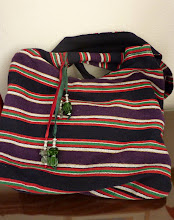
I thought this was a good title for today - challenging myself to see what I could purchase for the equivalent of less than $4 USD. I bought a bouquet of Egyptian pink roses - about 2 dozen from a guy on the street outside the Alpha Market. They even had a faint scent. Of course, they are very thorny, the kind of tiny thorns that are more irritating than skin puncturing. I had trim off most of the leaves and snip off the ends. In the end I filled a large water pitcher with the taller ones and a water glass with the rest. I don't know, I think they were actually more like 3 dozen, small, pretty, pink roses. Passing by what smelled delectable with to go styrofoam containers of rice and what looked like eggplant (don't ever assume, it turned out to be spicy chopped chicken livers) and some freshly (no not killed but probably that too) grilled chicken) I asked how much, and yes, 20 EGP. I also ventured to ask for the chicken to be breast, and the man said yes. I can't tell you how many times I have requested this and ended up with legs, etc. Ha ha ha on me, I got a chicken leg, a piece of chicken back and who knows from what area of the chicken the last tiny morsel came from. Well, except for the chicken liver surprise, I ended up eating it all. what was described to me as salad, was some very very spicy tahini. ILast item: I bought a navy blue handwoven scarf from the Nomad store - a little over - but at 25 EGP, still a pretty good bargain.
Thursday, September 3, 2009
Taxi Drivers of Cairo
With nearly 7 million people in Cairo and an estimated 50,000 taxis (not to mention other vehicles) a taxi ride is puzzling, amazing and sometimes downright dangerous. I was going to label this post "The Bipolar Taxi Driver" but somehow I think he was more of an anger management client. Of course, I had a little conversation today at the HSBC bank in Dokki when I opened up my first Egyptian account - 10,640 Egyptian pounds - not all that much really but at least three months worth of assistance toward food. The rest of the money goes directly into my American account in American dollars. Anyway, May, who helped me, has her degree in accounting but had actually wanted to get a degree in psychology at Stanford - BUT, much too expensive, hard to get in and parental disproval. Also, Egyptians by and large do not believe in therapy, psychiatrists, psychotherapy or any other form of assistance to the mentally ill. Which I feel that this man was over the top in crankiness. While it's true that Ramadan fasting can give rise to outbursts of anger, irritability, etc. since there is no intake of food or water from sunrise to sunset and yes, it is hot. In the words of Forrest Gump, You never know what you're going to get. Of course, he meant a box of chocolates but it could substitute for taxi driver.
Some of my friends know of my tales of taxi drivers on my travels. The taxi driver in Turkey who insisted on taking me to see a dam, not frankly my dear, I don't give a d... but an actual dam. And he kept talking to me in Turkish and all I could imagine in between deciphering a few words like fish and water was that he was going to tie me up, beat me and them throw me into the water where I would swim with the fishes. Not really, just my active imagination. And there was a truly creepy fat French taxi driver who insisted on pressing his liver lips to mine. Ugh. OK, so the Turkish driver must have thought I was an American woman of easy virtue because I sat in the front seat How did I know it meant I was that kind of woman? And there was the taxi driver in Amman, Jordan who drove around the entire city for an hour trying to find the YWCA and then wanted to charge us a gigantic taxi fare. But I have since learned, no one knows the streets or sites or hotels except for the ones they supply with unknowing tourists.
So back to my Cairo taxi drivers. Call me a glutton for punishment but I took three today. I am usually an anti-taxi kind of traveler and you can why with just those few examples. I sometimes have walked an extra oh, let's see, 5 or 6 miles to avoid taking one, getting lost in the process. I am selectively cheap. But today, first I got the nice man who spoke not a lick of English, except to say no English - he was so fervent a believer and so devout that his forehead had a huge raised callous on it from praying five times a day. He was so honest and reasonable for a fare from Zamalek to Dokki that when I gave him a 20 pound note, he actually gave me back a 5 pound note with 5 pounds in coins. Of course, and you should be laughing here as I was not in the thirty seconds after he sped away that he had taken me to the Spanish Language Institute. I know, I know and there was even a nicely dressed guy in his late 20s or early 30s who got in the taxi to show him where to go. hahaha on me. It took me three or four guys that I asked - not to be sexist, but most women do not know their streets or fancy this, do not understand me - to finally find the place. The Fulbright office that is. Eventually I found the office.
After signing papers, I went to the HSBC bank to open an account for my Egyptian stipend of 3000 pounds a month, roughly $550. Back to the Fulbright office to give them the 100 pounds for my resident visa. I had forgotten to bring along two passport photos but promised to get some made, knowing of course, that they would NOT be flattering like the ones I took of myself - it's all in the angle of the camera lens, ladies at a local Kodak store. At least the price is right - 10 pounds for 4 photos, less than $2. They take just as ugly pics in our photo places in the U.S. but you pay much more for the ugly photo AND you are stuck with it for several years, 10 years if it is on your passport. I think I should have a professional make up artist and maybe some liposuction before the next passport photo. Ha ha ha ha. I scream (and alternately laugh hysterically) every time I see my photo and think, who in the world is that? This is why people posting their pics on personal ads always use their old photos which are more flattering, then you meet them and think, oh no! Where did your hair go? Or else, where did your waist go? Where did your teeth go? And finally, why didn't I shoot myself in the foot before agreeing to meet you?
Well, anyway, I'm feeling hot, faint, and tired so I decide to get another taxi for the ride back to Zamalek. I had Hend write out in Arabic my apartment address in Arabic as well as the Diwan Bookstore on 26 July Street in Arabic to then hand over to a taxi driver. And another thing, they can barely read. And, I started noticing that most taxis have at least one dent, usually more. Well, no sooner than I had gotten into the taxi, when the Indy 500 began in our race to cross the Nile the fastest way possible narrowly missing cars by inches or more correctly centimeters (they are metric you know). No seat belts of course in the back seat but I grabbed onto the back of the passenger seat. And for the life of me, I could not remember the Arabic word for slow down! Over the bridge, he narrowly missed squishing a boy of around 11 or 12 and kept up a verbal harrangue with another taxi driver, yelling obscenities and perhaps giving him the finger. I was afraid to glance at his eyes imagining that they were by now glowing red like a demon. Shortly before we reached our destination, he swerved around a too slow car and a poor guy wearing a white cap (means you have gone on a haj) on a bicycle. Missed by .5 inch to my estimation. Almost killed the guy but the bicycle man was pretty philosophical about it, I suppose he was grateful to be alive. In the hood, he would have pulled out a gun or knife. My blood pressure shot up, developed quite the headache and when I saw Diwan Bookstore, said OK. I couldn't get out fast enough though my foot was temporary trapped in a broken down plastic bit of the door. I gave him 20 pounds for not killing me or anyone in front of me and he seemed OK with it. I probably overpaid. Instead of going into the bookstore, I went into Maison Thomas where I devoured a croque madame - basically a grilled cheese sandwich with tomato. Then I asked the waiter if he had heard of Alpha Market and he made a little pantomine to show me where -- around 10 minute walk, last street on 26 July and go right, then turn left two streets up. The Alpha supermarket is open 24 hours not that I would go at 3 am just nice to know I could. To be continued...
Some of my friends know of my tales of taxi drivers on my travels. The taxi driver in Turkey who insisted on taking me to see a dam, not frankly my dear, I don't give a d... but an actual dam. And he kept talking to me in Turkish and all I could imagine in between deciphering a few words like fish and water was that he was going to tie me up, beat me and them throw me into the water where I would swim with the fishes. Not really, just my active imagination. And there was a truly creepy fat French taxi driver who insisted on pressing his liver lips to mine. Ugh. OK, so the Turkish driver must have thought I was an American woman of easy virtue because I sat in the front seat How did I know it meant I was that kind of woman? And there was the taxi driver in Amman, Jordan who drove around the entire city for an hour trying to find the YWCA and then wanted to charge us a gigantic taxi fare. But I have since learned, no one knows the streets or sites or hotels except for the ones they supply with unknowing tourists.
So back to my Cairo taxi drivers. Call me a glutton for punishment but I took three today. I am usually an anti-taxi kind of traveler and you can why with just those few examples. I sometimes have walked an extra oh, let's see, 5 or 6 miles to avoid taking one, getting lost in the process. I am selectively cheap. But today, first I got the nice man who spoke not a lick of English, except to say no English - he was so fervent a believer and so devout that his forehead had a huge raised callous on it from praying five times a day. He was so honest and reasonable for a fare from Zamalek to Dokki that when I gave him a 20 pound note, he actually gave me back a 5 pound note with 5 pounds in coins. Of course, and you should be laughing here as I was not in the thirty seconds after he sped away that he had taken me to the Spanish Language Institute. I know, I know and there was even a nicely dressed guy in his late 20s or early 30s who got in the taxi to show him where to go. hahaha on me. It took me three or four guys that I asked - not to be sexist, but most women do not know their streets or fancy this, do not understand me - to finally find the place. The Fulbright office that is. Eventually I found the office.
After signing papers, I went to the HSBC bank to open an account for my Egyptian stipend of 3000 pounds a month, roughly $550. Back to the Fulbright office to give them the 100 pounds for my resident visa. I had forgotten to bring along two passport photos but promised to get some made, knowing of course, that they would NOT be flattering like the ones I took of myself - it's all in the angle of the camera lens, ladies at a local Kodak store. At least the price is right - 10 pounds for 4 photos, less than $2. They take just as ugly pics in our photo places in the U.S. but you pay much more for the ugly photo AND you are stuck with it for several years, 10 years if it is on your passport. I think I should have a professional make up artist and maybe some liposuction before the next passport photo. Ha ha ha ha. I scream (and alternately laugh hysterically) every time I see my photo and think, who in the world is that? This is why people posting their pics on personal ads always use their old photos which are more flattering, then you meet them and think, oh no! Where did your hair go? Or else, where did your waist go? Where did your teeth go? And finally, why didn't I shoot myself in the foot before agreeing to meet you?
Well, anyway, I'm feeling hot, faint, and tired so I decide to get another taxi for the ride back to Zamalek. I had Hend write out in Arabic my apartment address in Arabic as well as the Diwan Bookstore on 26 July Street in Arabic to then hand over to a taxi driver. And another thing, they can barely read. And, I started noticing that most taxis have at least one dent, usually more. Well, no sooner than I had gotten into the taxi, when the Indy 500 began in our race to cross the Nile the fastest way possible narrowly missing cars by inches or more correctly centimeters (they are metric you know). No seat belts of course in the back seat but I grabbed onto the back of the passenger seat. And for the life of me, I could not remember the Arabic word for slow down! Over the bridge, he narrowly missed squishing a boy of around 11 or 12 and kept up a verbal harrangue with another taxi driver, yelling obscenities and perhaps giving him the finger. I was afraid to glance at his eyes imagining that they were by now glowing red like a demon. Shortly before we reached our destination, he swerved around a too slow car and a poor guy wearing a white cap (means you have gone on a haj) on a bicycle. Missed by .5 inch to my estimation. Almost killed the guy but the bicycle man was pretty philosophical about it, I suppose he was grateful to be alive. In the hood, he would have pulled out a gun or knife. My blood pressure shot up, developed quite the headache and when I saw Diwan Bookstore, said OK. I couldn't get out fast enough though my foot was temporary trapped in a broken down plastic bit of the door. I gave him 20 pounds for not killing me or anyone in front of me and he seemed OK with it. I probably overpaid. Instead of going into the bookstore, I went into Maison Thomas where I devoured a croque madame - basically a grilled cheese sandwich with tomato. Then I asked the waiter if he had heard of Alpha Market and he made a little pantomine to show me where -- around 10 minute walk, last street on 26 July and go right, then turn left two streets up. The Alpha supermarket is open 24 hours not that I would go at 3 am just nice to know I could. To be continued...
At home in Cairo
I arrived in Cairo around 4:00 pm (my time) - Philadelphia time around 10 am, tired of sitting in an airplane for so many hours. We gained some tailwinds coming out of the east coast so arrived in Frankfurt about 45 minutes ahead of time. But, of course, the usual waiting in line for passport control, etc. Then, not too much of a wait before boarding my next flight - Frankfurt to Cairo. Have you ever noticed that duty free is not such a bargain? I was going to buy some wine but decided against because in Germany even duty free is really really expensive. For example, in the food court, a small bottle of water was 3 euros. Come on now! Around $5 for a bottle of water. I did get a brie sandwich and glad I did because Lufthansa has changed - their food is awful and their service is minimal and rather unfriendly. Oh well, the Teutonic coolness. My ride on the plane had me in a window seat which, I have decided is not such a good idea. My side of the plane had only two seats so at least when I had to make my aisle seat weird younger guy get up it was only one person. He was getting sick of me by the end but the tasteless pasta dish made me sick. He was dressed all in white, young, probably gay, couldn't quite figure out the nationality. When we landed he jumped out of his seat and elbowed his way out. Gee, usually my relationships with men aren't that bad! I tried to control my negative thoughts about how he was NOT going to take up my small space. The guy behind me kept kicking my seat. Riding in an airplane does not bring out the best in anyone when you are in the role of lab rats with too little space. On the 4 hour ride to Cairo, I sat next to a very large Egyptian woman who was lovely. She had been traveling basically all day from Oklahoma City - she loved it there - to help out her younger son whose wife had had a new baby. She asked me if I had children and when I said no, she patted my hand and said "God loves you." That's a new one! She was tired of taking care of her kids and husband and said a friend who is the happiest is childless. Hmmm, new insight into what a 60 someting Egyptian woman thinks about life. I believe she was Coptic Christian because she mentioned Jesus here and there. Anyway, I managed to sleep partially on this flight out of sheer exhaustion. I watched three movies on my personal screen from PHL to FRA - Fast and Furious because I love Vin Diesel, an Indian film called Luck ... and one about a woman who was a university professor who lost her job and has to work as a tour guide in Greece. That same woman in My Big Fat Greek Wedding. It was cute and all you Greece fans, just to see the scenery and the shopping etc. is worth it.
Later on this morning, I will go to the Cairo office to get my finances secured, my first check, my first deposit in Egyptian pounds. When I arrived in my apartment I was so happy. Extremely tall ceilings around 14 feet high. Nice inlaid furniture. Big wide open spaces. I have a big bed in the main bedroom with great air conditioner. There is another bedroom with two twin beds. I haven't quite figured out how to make the hot water heater work for the shower - always a challenge. Took a cool shower anyway. There is a nice big living room for entertaining, a separate dining room with seating for at least 8 people and get this, a separate big office with couch that could sleep a visitor as well. I have DSL wireless which is a treat as I am lying in bed typing this. I fell asleep reading Chronicles of the Queens of Egypt.
I had to pay $300 for overweight luggage - it would have been more but the nice check in woman at Lufthansa had me take out some books for the official weighing in. You are allowed 23 kg and I had 32 kg on one and 35 on the other. After 33 kg, the cost goes up exponentially and instead of $150 it is $300. So she saved me another $150. with three bags it would have been $250 so I should have stuck with my original packing. At least there is a bawoab - kind of the building super for this apartment who brought the bags upstairs. After fasting all day in 87 degree heat, my handler, Ibrahim who is not too burly, had a hard time getting my bags in his station wagon - I gave him $10 American for his help and 10 Egyptian pounds for the bawoab. I got my visa no problem for $15 at the airport in Cairo, another nice sticker with stamps on it for my passport. Ibrahim gave me a tour of the apartment and in my nearly brain dead state tried to remember things. He called Maggie William, the housing supervisor and she spoke to me saying how they worked all day on Sept. 1 getting the apartment ready. She had food there for me, bananas, red delicious apples, water in the fridge, Laughing Cow cheese, butter, wheat bread, Egyptian bread which is like pita bread, coffee, tea, sugar, boxed milk, etc. I was so impressed and happy - she said it's too hard when you are tired to go out and find these things so they wanted to get me started on the basics. I had used about a dozen rolls of toilet paper and two rolls of paper towels as padding for my large case so now I don't have to buy any for a while.
I'm nearly unpacked - hung up all my clothes but stopped short of total putting away of stuff. I dreamed that my fulbright neighbords and their 14 triplets came to visit me bringing chocolate cheesecake. My dreams are definitely improving! More blogs later today when I can upload pics of my surroundings and apartment. Love from Cairo!
Later on this morning, I will go to the Cairo office to get my finances secured, my first check, my first deposit in Egyptian pounds. When I arrived in my apartment I was so happy. Extremely tall ceilings around 14 feet high. Nice inlaid furniture. Big wide open spaces. I have a big bed in the main bedroom with great air conditioner. There is another bedroom with two twin beds. I haven't quite figured out how to make the hot water heater work for the shower - always a challenge. Took a cool shower anyway. There is a nice big living room for entertaining, a separate dining room with seating for at least 8 people and get this, a separate big office with couch that could sleep a visitor as well. I have DSL wireless which is a treat as I am lying in bed typing this. I fell asleep reading Chronicles of the Queens of Egypt.
I had to pay $300 for overweight luggage - it would have been more but the nice check in woman at Lufthansa had me take out some books for the official weighing in. You are allowed 23 kg and I had 32 kg on one and 35 on the other. After 33 kg, the cost goes up exponentially and instead of $150 it is $300. So she saved me another $150. with three bags it would have been $250 so I should have stuck with my original packing. At least there is a bawoab - kind of the building super for this apartment who brought the bags upstairs. After fasting all day in 87 degree heat, my handler, Ibrahim who is not too burly, had a hard time getting my bags in his station wagon - I gave him $10 American for his help and 10 Egyptian pounds for the bawoab. I got my visa no problem for $15 at the airport in Cairo, another nice sticker with stamps on it for my passport. Ibrahim gave me a tour of the apartment and in my nearly brain dead state tried to remember things. He called Maggie William, the housing supervisor and she spoke to me saying how they worked all day on Sept. 1 getting the apartment ready. She had food there for me, bananas, red delicious apples, water in the fridge, Laughing Cow cheese, butter, wheat bread, Egyptian bread which is like pita bread, coffee, tea, sugar, boxed milk, etc. I was so impressed and happy - she said it's too hard when you are tired to go out and find these things so they wanted to get me started on the basics. I had used about a dozen rolls of toilet paper and two rolls of paper towels as padding for my large case so now I don't have to buy any for a while.
I'm nearly unpacked - hung up all my clothes but stopped short of total putting away of stuff. I dreamed that my fulbright neighbords and their 14 triplets came to visit me bringing chocolate cheesecake. My dreams are definitely improving! More blogs later today when I can upload pics of my surroundings and apartment. Love from Cairo!
Subscribe to:
Posts (Atom)